

Steep climb pacing, dehydration recovery on trek, what to wear trekking, military approach to trekking, hiking protocol checklist
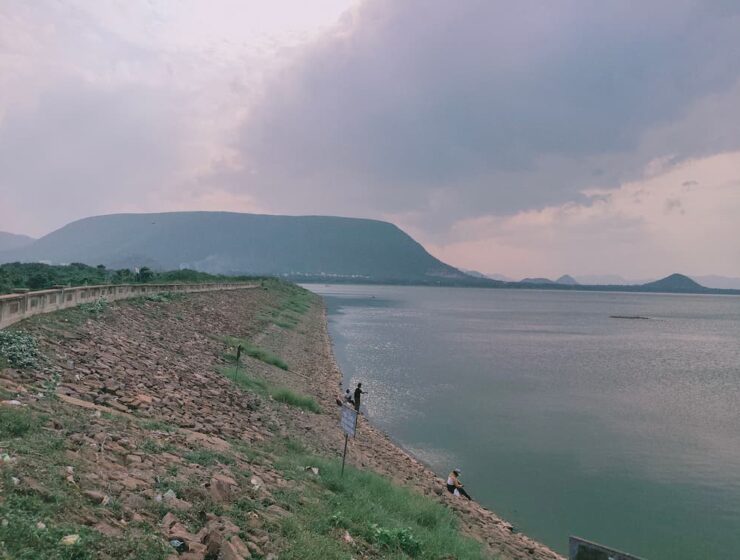
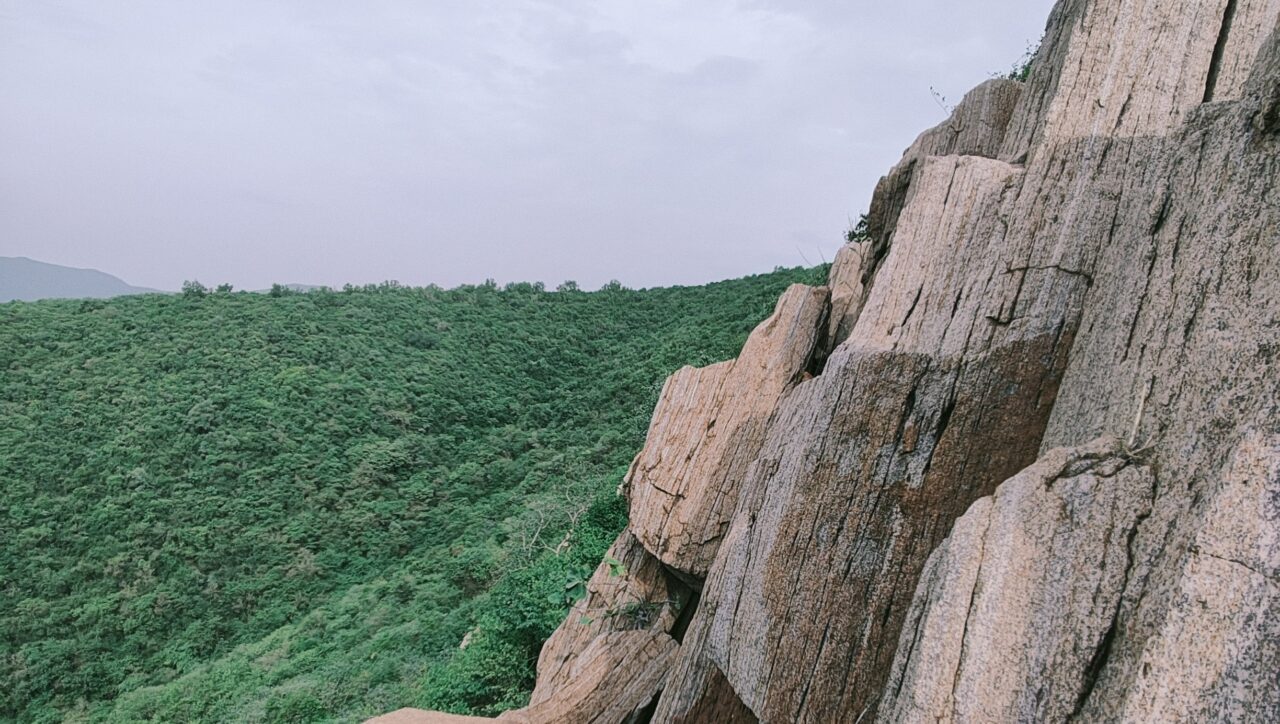
There is a moment on every steep ascent usually somewhere past the point where your legs stop asking politely and start demanding when a trek stops being a walk and becomes an operation. I learned this the hard way on a trek in Araku(Ananthagiri hill ranges), wearing a plain cotton tee that I thought nothing of when I packed it followed by last days diner and morning snacks/breakfast skip in hurry. By midway up the climb, that cotton was soaked through and staying soaked, pulling heat and moisture off my body with every step. I didn’t notice the damage until it was already done exhaustion turned to a full faint on the trail. It was a fellow trekker who caught me, got me seated, and started me on slow sips of ORS until I could stand again and finish the climb. That day taught me, in the most physical way possible, that a mountain doesn’t punish weakness it punishes ignored discipline(skipped meals, snacks, water and just took the wrong clothing and on a very casual note, I just started on a very weekend).
Over years of trekking and fifteen-plus years of running operations under pressure, I’ve come to see the two as the same skill wearing different boots. A hospital operation and a mountain ascent both fail for the same reasons: poor reconnaissance, no rhythm, ignored early-warning signs, and a team that pushed past its sustainable pace. This blog is my field manual for the first precaution, pace, clothing, hydration, and protocol built on the command principles I use in the second, and paid for with a lesson I won’t repeat.
Why Most Trek Injuries Happen From a Failure of Rhythm, Not a Failure of Fitness
Short answer: Most trekking injuries and medical emergencies on steep terrain come from broken rhythm irregular pacing, skipped rest intervals, and ignored fatigue signals not from a lack of physical fitness.
Fit people get hurt on mountains constantly. What separates a safe ascent from an evacuation is not how strong your legs are; it’s whether you kept a rhythm your body could sustain for the entire climb, not just the first hour. My Araku (Ananthagiri hill ranges) experience is a case in point I wasn’t undertrained, I was undisciplined about one clothing choice and diet plan and the pacing that let dehydration creep up unnoticed.

The Military Approach: Treat the Trek Like an Operation, Not an Adventure
Short answer: The military approach to mountain movement reconnaissance, staged advances, mandatory rest halts, and a clear chain of command is the single most transferable safety framework for civilian trekking.
I built VIRSAFEED on the belief that command discipline saves lives in operating rooms and boardrooms alike. On a steep trail, it saves them literally. My Araku (Ananthagiri hill ranges) climb only ended safely because someone in my group had the presence of mind to stop, assess, and treat rather than push forward. Three principles from military mountain-movement doctrine map directly onto trekking:
- Reconnaissance before advance. Never commit to a steep stretch if you haven’t assessed the weather window, escape routes, water sources, and the physical condition of the weakest person in your group.
- Staged movement with mandatory halts. Militaries don’t march until legs give out; they move in timed intervals with scheduled rest, regardless of how fresh the unit feels. This removes ego from the pacing decision.
- A named leader with authority to stop the climb. Someone in your group must have the explicit authority to call a halt and everyone must have agreed in advance to obey it without debate. My Araku fellow-trekker did exactly this instinctively; the protocol simply makes it deliberate instead of lucky.
The Pacing Rhythm for Steep Ascents: The Seating Protocol
Short answer: On steep, sustained climbs, use a fixed rest-to-climb ratio commonly 25 – 30 minutes of steady climbing to 5 minutes of seated rest rather than resting only when you feel tired.
- Climb in fixed intervals, not until exhaustion. Roughly 25 – 30 minutes of steady, controlled climbing, then a mandatory seated rest even if you feel fine.
- Sit, don’t just stand. A seated rest lowers your heart rate faster than a standing pause and takes real weight off your legs and lower back.
- Rest for 5-7 minutes, not 20. Short, frequent, seated rests beat long infrequent ones.
- Use the “conversation test” as your pace gauge. If you cannot speak a full sentence without gasping, slow down before your next scheduled rest.
- On descent, shorten the interval. Fatigue-driven falls are most common late in the day, on the way down.
What to Wear – and What to Never Wear – on a Steep Mountain Trek
Short answer: Wear a three-layer system (moisture-wicking base, insulating mid, waterproof-breathable shell); never wear cotton, jeans, or anything without moisture management, because wet cotton against skin is one of the leading contributors to dehydration and hypothermia on mountain treks.
I know this rule personally, not theoretically. The cotton tee I wore in Araku stayed soaked from the first hour of sweat and never dried. It kept pulling heat and fluid off my body long after I should have felt the warning signs. That single clothing choice is what turned a hard climb into a fainting episode.
Never wear:
- Cotton base layers or cotton socks cotton absorbs sweat and rain, stays wet, and pulls heat from your body far faster than synthetic or wool fabrics. This is the single most common and most dangerous clothing mistake I see on steep treks.
- Jeans or denim of any kind are heavy, slow to dry, and restrictive on steep scrambles.
- New, unbroken-in boots, a steep trek is not the place to discover a hotspot that becomes a blister that becomes an evacuation.
- Loose, flapping outerwear is a genuine fall hazard on narrow, steep sections, not just a nuisance.
- Cheap, ungripped socks or no liner socks are a leading cause of blisters on long steep descents.
Do wear (the three-layer system):
- Base layer: Merino wool or synthetic moisture-wicking fabric against the skin regulates temperature and dries fast even when soaked in sweat.
- Mid layer: A fleece or light insulating layer you can remove and stow as your body heat rises on the climb.
- Outer shell: A waterproof, breathable jacket and pants non-negotiable above tree line.
- Footwear: Broken-in, ankle-supporting boots with aggressive tread, paired with a thin liner sock under a cushioned hiking sock.
- Headwear for both ends of the spectrum: A sun hat or buff for exposure, plus a warm cap for exposed-ridge sections.
Dehydration on a Trek: Prevention and Field Revival
Short answer: Prevent dehydration with scheduled sipping every 15–20 minutes rather than drinking only when thirsty, and revive a dehydrated trekker with slow oral rehydration (water plus electrolytes), shade, and rest never with large volumes of water at once.
I didn’t feel “thirsty” in Araku until I was already past the point of easy recovery that’s exactly the trap. Thirst is a lagging indicator on a steep climb.
Prevention protocol:
- Sip water every 15–20 minutes in small amounts, rather than large infrequent gulps.
- Carry electrolyte tablets or an ORS mix, not just plain water this is the single thing that got me back on my feet in Araku, and I haven’t climbed without it since.
- Monitor urine color at rest stops as your simplest field indicator.
- Increase intake in cold, dry mountain air, where dehydration is easy to underestimate.
Field revival if someone is already dehydrated:
- Stop the climb immediately and move the person to shade or shelter. Ensure the person is hooked/locked to some better position, to avoid fall or slips.
- Rehydrate slowly with small, frequent sips of water mixed with electrolytes; this is precisely what my fellow trekker did for me, seated, patient, one sip at a time, rather than rushing me back onto the trail.
- Loosen tight clothing and cool the body, remove the outer shell, cool the back of the neck and wrists.
- Watch for escalation signs confusion, stopped sweating, rapid heartbeat, or fainting mean immediate descent, not rest-and-continue.
- Never let the person continue climbing that day on hope alone. I only resumed once I could genuinely stand, speak clearly, and hold water down, not the moment I “felt a bit better.”
The Hiking Protocol: A Pre-Trek and On-Trail Checklist
Short answer: A disciplined hiking protocol covers pre-trek briefing, a fixed communication and turnaround plan, and on-trail rules that remove ambiguity when conditions change fast.
- Pre-trek briefing, every time route, weather window, water sources, turnaround time, and who has medical authority.
- Fixed turnaround time, agreed before you start climbing, decided by the clock, not by how close the summit looks.
- Buddy system on steep or exposed sections the exact reason I finished my Araku climb at all was that I wasn’t climbing alone.
- Communication plan with someone off the mountain.
- First-aid and emergency kit checked, not just packed ORS sachets, blister care, a thermal blanket.
- Weather check within hours of departure, not the night before.
The Discipline Takeaway
Every steep trail eventually asks the same question a hard operational day asks: will you follow the rhythm you set when you were calm, or the one your ego sets when you’re tired? Araku taught me that the smallest ignored detail, one wrong fabric choice, one skipped hydration cycle is enough to bring a strong climber down. The ones who summit safely, and the operations that run safely, share the same trait: a leader who protects the rhythm even when everyone else wants to push past it, and a team willing to sit someone down and hand them ORS instead of letting them push through.
That’s the VIRSAFEED principle, on a mountain or in a hospital corridor: Resilient. Strategic. Disciplined. The summit rewards the climb you paced, never the one you rushed.
FAQs:
Q: What causes most injuries on steep mountain treks?
A: Most trekking injuries and medical emergencies on steep terrain come from broken rhythm irregular pacing, skipped rest intervals, and ignored fatigue signals not from a lack of fitness.
Q: How often should you rest on a steep climb?
A: Use a fixed rest-to-climb ratio, commonly 25–30 minutes of steady climbing followed by 5–7 minutes of seated rest, rather than resting only when you feel tired.
Q: Why should you never wear cotton on a trek?
A: Cotton absorbs sweat and rain and stays wet against the skin, pulling heat and fluid from the body far faster than synthetic or wool fabrics making it a leading contributor to dehydration and hypothermia on mountain treks.
Q: What should you wear instead of cotton for trekking?
A: A three-layer system: a moisture-wicking base layer (merino wool or synthetic), an insulating mid layer such as fleece, and a waterproof, breathable outer shell.
Q: How do you prevent dehydration while trekking?
A: Sip water in small amounts every 15–20 minutes rather than drinking only when thirsty, and carry electrolyte tablets or an ORS mix alongside plain water.
Q: How do you revive someone who has fainted from dehydration on a trek?
A: Stop the climb immediately, move the person to shade, and rehydrate slowly with small, frequent sips of water mixed with electrolytes — never large volumes at once. Loosen tight clothing, cool the neck and wrists, and do not resume climbing until the person can stand, speak clearly, and hold water down.
Q: What is the military approach to trek safety?
A: It applies three command principles to trekking: reconnaissance before advancing on any steep stretch, staged movement with mandatory rest halts regardless of how fresh the group feels, and a named leader with explicit authority to call a halt or turnaround.
Q: What should a hiking protocol checklist include?
A: A pre-trek briefing on route and weather, a fixed turnaround time set before departure, a buddy system on steep sections, a communication plan with someone off the mountain, and a checked first-aid kit including ORS sachets.
Hey there, readers! Welcome to my little corner of the internet. I ain’t just your average blogger — I’m a seasoned Operations manager with a knack for diving deep into research and unraveling the mysteries of project management and operations. But that’s not all there is to me! With a background in Healthcare, IT and Pharmaceuticals for Project management, hospital management and a passion for travel, hiking, and trekking, I’m all about blending the professional with the adventurous. So, join me on this voyage where we’ll explore the ins and outs of strategy, project management and share tales from the management, travels, and maybe even swap tips along the way.
Feel free to visit my site to know more about my researched output in the form of blogs: http://www.virsafeed.com/
Would you like to connect with me? Please drop me an email at virsafeed.com@gmail.com