

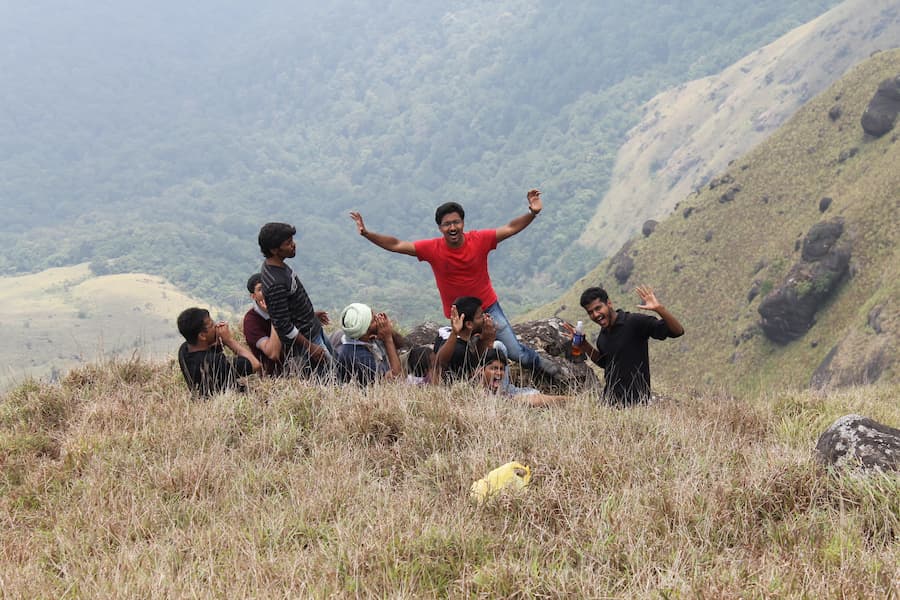
Where trails meet sky. –VirsaFeed
Imagine scaling rugged peaks, traversing remote wilderness, and conquering trails with little more than determination and ingenuity. Hiking without the comfort of abundant food and modern conveniences isn’t just an exercise in physical endurance—it’s a masterclass in survival, adaptability, and self-discovery. This blog explores the transformative journey of surviving on the bare essentials, with lessons learned from personal experimentation and insights from seasoned survivalists.
Why Hike with Minimal Provisions?
Hiking with limited supplies might seem daunting, but it offers unique rewards:
- Building Resilience: Learning to thrive with minimal resources fosters mental and physical toughness.
- Deep Connection with Nature: Without distractions, you’re fully immersed in the wilderness.
- Practical Skills: You’ll gain valuable survival skills, from foraging to navigation.
- Eco-Friendly Travel: Minimalist hiking reduces waste and promotes sustainable practices.
Preparing for the Journey
Embarking on a minimal-provision hike requires meticulous planning and preparation:
- Research the Terrain: Understand the geography, climate, and potential food or water sources in your chosen area.
- Gear Up Wisely: Invest in multi-purpose tools like a quality knife, compact cookware, and lightweight shelters.
- First Aid and Safety: Carry a small first-aid kit, and familiarize yourself with basic wilderness medicine.
- Mental Preparation: Embrace discomfort as part of the journey. Confidence and a positive mindset are critical.
Learning Survival Skills
1. Water: The Lifeline of Survival
Water is non-negotiable on any hike. When supplies run low, knowing how to find and purify water can save your life:
- Locating Water Sources: Learn to identify signs of water, such as lush vegetation or animal trails.
- Purification Techniques: Always carry purification tablets or a portable filter. In emergencies, boiling water is the safest option.
2. Food: Fueling Your Adventure
Foraging and rationing are essential when hiking with minimal food:
- Edible Plants: Research local edible flora and learn to identify them. Popular options include wild berries, nuts, and greens.
- Trapping and Fishing: Basic knowledge of trapping small animals or fishing can provide a crucial protein source in remote areas.
- Preservation: Dehydrate fruits or carry compact, high-energy snacks like nuts and seeds.
3. Shelter: Your Haven in the Wild
A proper shelter protects you from the elements:
- Improvised Shelters: Learn to build shelters using natural materials like branches and leaves.
- Lightweight Options: A tarp or emergency blanket can serve as a versatile, portable shelter.
Survival Tips from Experts
Adaptability and Innovation
Survivalists emphasize the importance of staying adaptable. Use what’s around you creatively—a sturdy branch can double as a walking stick or support for a shelter.
Knowledge Sharing
Learning from experts can be invaluable. Participate in wilderness survival workshops or join online communities where enthusiasts share tips and stories.
Practice Makes Perfect
Survival skills improve with practice. Test your knowledge on short, controlled trips before attempting longer, more challenging hikes.
Embracing the Challenges
The road isn’t easy. Hunger, exhaustion, and moments of doubt are inevitable. But overcoming these challenges is where the real growth happens:
- Mental Toughness: Meditation and breathing exercises can help manage stress and anxiety.
- Listening to Your Body: Recognize signs of dehydration, fatigue, or hypothermia early to avoid serious consequences.
- Gratitude and Reflection: Every hardship teaches resilience. Reflect on the small victories—from successfully foraging your first meal to enduring a cold night under the stars.
Reaping the Rewards
The rewards of minimalist hiking extend far beyond the trail:
- Self-Reliance: You’ll return with newfound confidence and a sense of accomplishment.
- Closer Bond with Nature: Witnessing nature’s raw beauty without distractions fosters a profound appreciation for the environment.
- Life Skills: The resilience, creativity, and problem-solving you’ve honed will serve you in every aspect of life.
Final Thoughts: A Journey Worth Taking
Hiking with minimal provisions isn’t just an outdoor adventure; it’s a transformative experience that pushes your limits and reshapes your perspective. As you master the art of survival, you’ll find that the wilderness isn’t just a challenge—it’s a teacher, a healer, and a source of boundless inspiration. So pack light, trust your instincts, and step into the wild to discover what you’re truly capable of.
Know the Author
Hey there, readers! Welcome to my little corner of the internet. I ain’t just your average blogger — I’m a seasoned project manager with a knack for diving deep into research and unraveling the mysteries of project management. But that’s not all there is to me! With a background in Healthcare, IT and Pharmaceuticals for Project management, hospital management and a passion for travel, hiking, and trekking, I’m all about blending the professional with the adventurous. So, join me on this voyage where we’ll explore the ins and outs of strategy, project management and share tales from the management, travels, and maybe even swap tips along the way.
Feel free to visit my site to know more about my researched output in the form of blogs: http://www.virsafeed.com/
Would you like to connect with me? Please drop me an email at virsafeed.com@gmail.com