

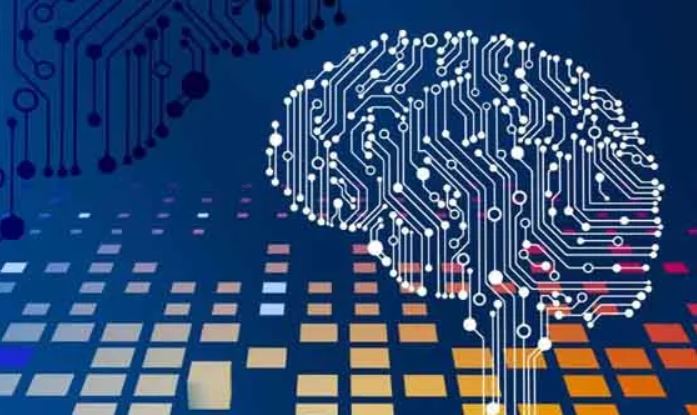
“By combining Hyperautomation and Artificial Intelligence, businesses can leverage the cognitive capabilities of AI technologies to automate complex tasks.”
In today’s rapidly evolving digital landscape of Hyperautomation and Artificial Intelligence, businesses and processes are constantly seeking innovative ways to enhance efficiency, reduce costs, human errors, latency and drive growth to meet the ever growing demand. Two transformative technologies that have gained significant hype in recent years are Hyperautomation and Artificial Intelligence (AI). This blog throws light on the synergistic relationship between Hyperautomation and AI and how this combination can propel businesses towards unprecedented levels of success. It has both pros and cons, but depends upto what level we need to automate something to churn good out of it and the automation should not become a tedious task to manage the controls.
1. Understanding Hyperautomation:
Hyperautomation refers to the integration of various automation technologies, such as Robotic Process Automation (RPA), intelligent Business Process Management Suites (iBPMS), and ofcourse the AI, to automate and optimize complex business processes or the lengthy manual processes. It aims to streamline operations, increase productivity, reduce human errors, and enable seamless collaboration between humans and machines.
It’s very important to know the gaps and processes where the hyperautomation can be implemented followed by the effectiveness of the already automated processes.
2. The capability of Artificial Intelligence:
Artificial Intelligence (AI) is a branch of computer science that enables machines to simulate human intelligence and perform tasks that typically require human cognitive abilities. AI technologies, including machine learning, natural language processing, and computer vision, have revolutionized numerous industries by enabling automation, data analysis, and intelligent decision-making.
3. The Synergy between Hyperautomation and AI:
Intelligent Automation with Hyperautomation and Artificial Intelligence:
By combining Hyperautomation and Artificial Intelligence, businesses can leverage the cognitive capabilities of AI technologies to automate complex tasks. AI-powered robots can understand unstructured data, make intelligent decisions, and execute processes with minimal human intervention, thereby increasing efficiency and accuracy. Definitely the mandatory human review process shall be there to process the Out of Specification (OOS) and Deviated results for better control and touch.
Anomaly Detection:
AI algorithms can analyze vast amounts of data in real-time with its capability to go beyond human mind using the cloud computing, identifying anomalies or deviations from normal patterns. When integrated with Hyperautomation, AI-powered anomaly detection systems can proactively identify and address potential issues, minimizing risks and optimizing business processes. If we talk in terms of compliance audit trail, we have audit trail that traces the events and through anomaly detection, we can have the system trace and interpret every event and and shall trigger alerts for any anomaly if comes into notice. Same way, the anomaly detection algorithms can help in detections of the mutations or abnormal growths in the human body and can help doctors have greater insights for early detection and care. Here, the data can turn into care at a vast level, if utilized efficiently and with ethics.
Enhanced Customer Experience:
AI-powered chatbots and virtual assistants, integrated into Hyperautomation systems, enable personalized interactions and seamless customer support. Natural language processing capabilities allow chatbots to understand and respond to customer queries, improving customer satisfaction and reducing response times.
There are a lot of processes that can be automated via chatbots and companies can focus on the rest of the important and other challenging parts rather than focusing and getting lost in the same repeated jobs of support, response, report compilation, ticketing etc.
Hyperautomation and Artificial Intelligence for Business Rules Management:
Hyperautomation, when combined with AI, enables businesses to define and implement complex business rules. AI algorithms can analyze data, detect patterns, and recommend optimized business rules, allowing organizations to automate decision-making processes and ensure compliance with regulations.
It’s not wrong to say that many a time team fails to implement the best planned iterations just due to the user’s reluctance to adapt the latest model/approach, and miss interpretations or gulling the process.
Process Optimization:
AI-based Process Mining techniques can be integrated into Hyperautomation systems to analyze and visualize end-to-end processes, identify bottlenecks, and suggest improvements. By leveraging AI insights, businesses can streamline operations, optimize resource allocation, and drive continuous process improvement by following the directions of the industry experts with better strategies and techniques.
4. Real-world Examples:
Dallas AI Center:
The Dallas AI Center utilizes Hyperautomation and AI technologies to develop cutting-edge solutions for various industries. Their expertise in AI-powered automation has helped businesses achieve significant cost savings, improve operational efficiency, and deliver enhanced customer experiences.
RunMyProcess:
RunMyProcess, an integration platform, combines Hyperautomation and AI capabilities to automate complex business processes. Their AI-powered solutions enable organizations to automate decision-making, optimize workflows, and drive digital transformation.
5. Industry Experts and Success Stories:
Skip Howard:
As the CEO of an AI-powered automation platform, It’s really great to know the developments of the solution into technology and healthcare under his guidance and umbrella. I found one of his ever booming solution that is hereditary cancer risk assessments solution.
Azam Mirza and Jack Dowling:
Azam Mirza and Jack Dowling, pioneers in Hyperautomation and AI, have successfully implemented AI-driven automation solutions across industries. Their expertise and success stories showcase the immense potential of combining Hyperautomation and AI.
Conclusion:
Hyperautomation and Artificial Intelligence (AI) are a dynamic duo that can revolutionize the way businesses operate in the digital age. By leveraging the cognitive capabilities of AI technologies, businesses can automate complex processes, optimize decision-making, enhance customer experiences, reduce human errors, enhance personalized treatments and solutions and drive growth. Embracing the power of Hyperautomation and AI.