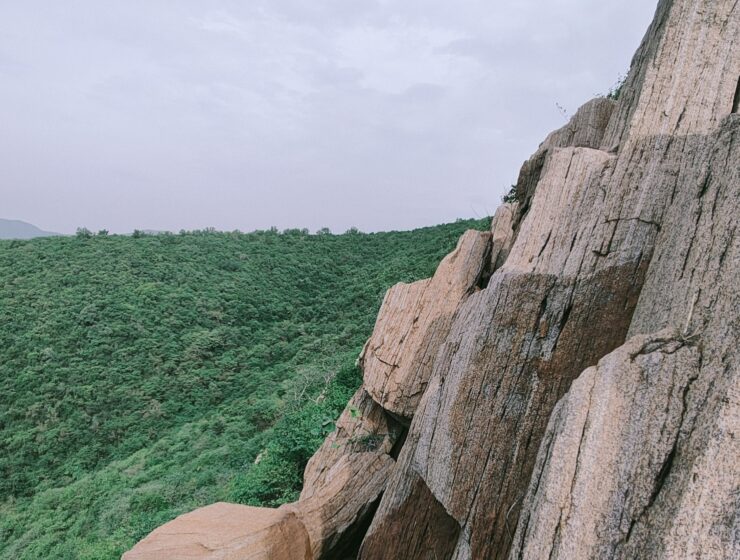


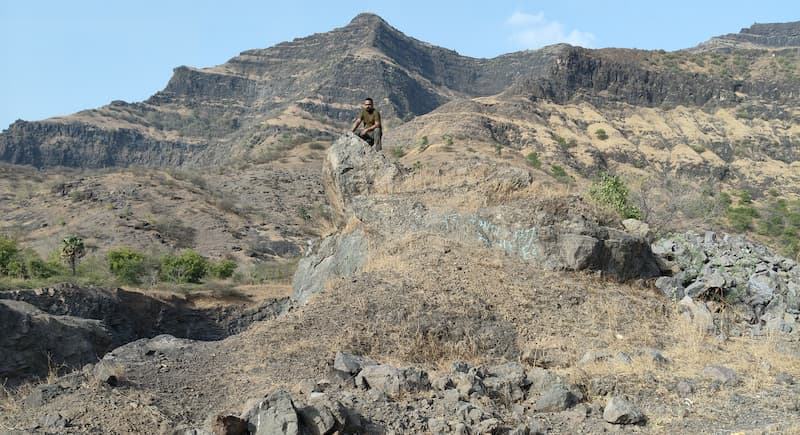
A Climber’s Guide to Skill, Safety, and the Pull of the Vertical World
“Climbing is not about conquering the rock. It is about the quiet conversation between you, your fear, and the next hold just out of reach.”
The first time I left the ground on real rock, my hands were shaking so badly I could barely trust them on the holds. I was a few metres up, which is nothing to an experienced climber and everything to a terrified beginner, and every instinct in my body was screaming at me to climb back down. I did not. I breathed, I found the next hold, and I moved. That single moment, the decision to keep going when everything in me wanted to quit, has repeated itself on cliffs and crags across years of climbing, and it never entirely loses its edge. That is the secret nobody tells you. The fear does not disappear. You just learn to climb with it.
If you have ever stood at the base of a rock face and felt that strange mix of dread and longing, this guide is for you. Whether you are a complete beginner wondering how people even start, or an intermediate climber looking to sharpen your craft, I want to share what years in the vertical world have taught me, the skills, the gear, the safety habits, the mindset, and the places worth travelling for. Let us climb.
Why Climbing Keeps Pulling People Upward
Rock climbing and mountaineering are not new, but their popularity has surged, and it is worth understanding why. The growth is not a passing trend. It speaks to something people are genuinely hungry for.
- A real antidote to screens. In a life lived through glass rectangles, climbing is gloriously physical and present. You cannot check your phone halfway up a route. The wall demands your whole attention, and that total focus is a relief most modern activities cannot offer.
- Accessible entry points. Indoor climbing gyms have exploded in cities around the world, giving people a safe, welcoming place to start without needing a mountain or a mentor on day one. The gym has become the front door to the sport.
- A community, not just a workout. Climbing attracts people who cheer each other on. Beginners are welcomed, problems are solved together, and the culture rewards encouragement over ego. For many, the people are the reason they stay.
- Visible, measurable progress. Few pursuits give you such clear feedback. The route you could not finish last month, you send today. That tangible progress is deeply motivating in a way that abstract goals rarely match.
Underneath all of it is something simpler. Climbing asks you to be brave, to solve a puzzle with your body, and to trust yourself. In a world that often feels passive, that combination is intoxicating.
Essential Skills Every Climber Should Develop
Beginners often assume climbing is about upper-body strength. It helps, but it is nowhere near the most important thing. The climbers who progress fastest develop these fundamentals first.
Footwork Before Fingers
This is the lesson that changes everything, and almost every beginner learns it too late. Good climbing is driven by your legs, not hauled up by your arms. Your legs are far stronger and far less prone to tiring. Learn to place your feet precisely, trust them, and push upward rather than pulling. Watch an experienced climber and you will notice how quiet and deliberate their feet are. Master footwork and you will climb harder while feeling like you are working less.
Reading the Route
Climbing is a puzzle as much as a physical act. Before you leave the ground, look up and plan your sequence, where your hands and feet will go, where you might rest, where the hard section is. This skill, often called reading the route or working out the beta, separates climbers who flail from climbers who flow. The wall rewards those who think before they move.
Efficient Movement and Resting
New climbers burn out fast because they grip everything with maximum force and never rest. Learn to hold only as hard as you need to, to keep your arms straight and let your skeleton bear the load rather than your muscles, and to find positions where you can pause and shake out a tired forearm. Efficiency is what lets you finish routes that raw strength alone never could.
Falling and Trusting the System
It sounds strange, but learning to fall safely is a core skill. On a top rope or a well-placed lead, a controlled fall is part of the sport, and learning to trust your rope, your harness, and your belayer is what frees you to actually try hard. Climbers who never learn to trust the system stay frozen at their limit, too afraid to commit.
Equipment and Gear Recommendations
You do not need to buy everything at once, and you should not. Here is what actually matters as you begin and progress.
What You Need to Start
- Climbing shoes. Your single most important purchase. They should fit snugly but not cause pain. A well-fitting shoe transforms your footwork. Beginners should favour comfort and a flatter shape over aggressive downturned models built for steep, advanced terrain.
- A harness. Comfortable, well-fitting, and appropriate for your climbing. Most beginners can rent at first, then buy once they know they are committed.
- A chalk bag and chalk. Keeps your hands dry and your grip secure. Inexpensive and worth having early.
- A helmet. Non-negotiable for any outdoor climbing, where rockfall is a genuine risk. The gym is optional; the crag is not.
Gear You Add as You Progress
- A belay device. Once you learn to belay, you will want your own. Learn on a modern assisted-braking device under proper instruction.
- A rope. A dynamic single rope is the standard for most sport and trad climbing. Buy this once you understand what kind of climbing you are doing.
- Protection and quickdraws. For lead climbing and trad, this is a longer education in itself, and one to undertake with experienced mentors, never alone from a video.
One honest piece of advice: buy safety-critical gear new, or from a source you completely trust. A rope or harness with an unknown history is not where you save money. Your life is literally tied to it.
Safety Practices and Risk Management
Climbing is as safe or as dangerous as the climber makes it. The mountains do not forgive carelessness, but they reward the disciplined. These are the habits that keep climbers alive.
- Always double-check. Check your knot and your partner’s, check the harness buckles, check the belay device. The partner check before every climb is a ritual that has saved countless lives. Do it every single time, no matter how experienced you become.
- Communicate clearly. Use clear, agreed commands with your belayer. Most accidents trace back to a breakdown in communication, not a failure of strength.
- Respect the weather. On any outdoor or alpine climb, the weather decides. Learn to read it, check forecasts obsessively, and have the discipline to turn back. The route will still be there next season.
- Know your limits, then add a margin. Pushing your grade is how you grow, but do it within a system that catches you. There is a difference between calculated risk and recklessness, and the mountains punish people who confuse the two.
- Never rely on a single point of failure. Redundancy is the heart of climbing safety. Anchors, backups, and checks exist because any one thing can fail, and the system must hold when it does.
“The summit is optional. Coming home is mandatory. Every experienced climber I respect lives by some version of that line.”
Mental Resilience and the Climbing Mindset
Ask any seasoned climber and they will tell you the sport is more mental than physical at the edge of your ability. Your body is often capable of more than your mind will allow. Building the mind is as important as building the muscles.
Climbing With Fear, Not Without It
The goal is never to feel no fear. Fear on a cliff is intelligent, and you should listen to its useful information while refusing to let its panic run you. The skill is learning to function clearly while afraid, to breathe, assess honestly, and make a calm decision rather than a frightened one. This is a learnable skill, and it transfers off the rock into every pressured situation in life.
Commitment and the Quiet Mind
Hesitation is dangerous on hard climbing. Half-committing to a move is how you fall off it. The mental discipline is to decide, then commit fully, your whole body and attention behind the movement. The best climbers describe a kind of quiet mind in these moments, where the chatter falls away and there is only the next hold. That state is the deepest reward the sport offers, and it is why so many of us keep going back.
Patience and the Long Game
Progress in climbing is not linear. You will plateau, you will have bad days where easy routes feel impossible, you will watch others advance while you feel stuck. The climbers who improve are simply the ones who keep showing up through the flat stretches. Patience is not a soft virtue here. It is the engine of every long-term gain.
Best Destinations for Rock Climbing and Mountain Climbing
Part of the joy of climbing is that it takes you to extraordinary places. Here are destinations worth building a trip around, from beginner-friendly to bucket-list.
- Kalymnos, Greece. Widely loved as a welcoming sport-climbing paradise, with sun-warmed limestone and routes for every level. A superb first climbing trip abroad.
- Krabi and Railay, Thailand. Dramatic limestone towers rising straight from turquoise water, plus a relaxed culture and easy access. A favourite for travellers blending climbing with adventure.
- Yosemite, USA. The spiritual home of big-wall climbing and a place of pilgrimage. More demanding, but unforgettable even for those who come to watch and learn on its easier routes.
- The Western Ghats and the Himalayas, India. Closer to my own heart, India offers everything from bouldering and sport crags to serious alpine objectives. The variety across the country is staggering and still under-explored.
- Fontainebleau, France. The world’s most famous bouldering destination, with thousands of problems in a forest, ideal for those who want to climb without ropes and focus on pure movement.
Wherever you go, climb with local knowledge. Guidebooks, local guides, and established climbers will keep you safe and help you find the routes that match your level.
Beginner Mistakes and How to Avoid Them
I made most of these myself, so I share them with affection. Avoid these and you will progress faster and stay safer.
- Over-gripping everything. Beginners squeeze every hold for dear life and exhaust themselves in minutes. Learn to relax your grip and use your feet. The fix: focus on footwork and breathing.
- Pulling with arms instead of pushing with legs. The classic error. Your legs are the engine. The fix: consciously drive upward from your feet on every move.
- Skipping the warm-up. Cold muscles and fingers get injured, and finger injuries can sideline you for months. The fix: always warm up gradually before pushing hard.
- Climbing too hard too soon. Ego pushes beginners onto routes their tendons are not ready for, and overuse injuries follow. The fix: build slowly and let your body adapt.
- Neglecting safety checks. Familiarity breeds shortcuts, and shortcuts in climbing are how accidents happen. The fix: make the partner check non-negotiable, forever.
Climbing Responsibly: Protecting the Places We Love
The wild places that make climbing magical are fragile, and climbers have a duty to protect them. Responsible climbing is not optional extra credit. It is part of being a climber at all.
- Leave no trace. Carry out everything you carry in, including tape, wrappers, and all waste. Leave the crag cleaner than you found it.
- Respect access and closures. Many climbing areas exist through fragile agreements with landowners or seasonal wildlife closures, such as nesting birds. Honour them, or risk losing access for everyone.
- Tread lightly on the rock and the approach. Stick to established trails, avoid trampling vegetation, and minimise chalk where you can. Small habits, multiplied by thousands of climbers, matter enormously.
- Support local communities. Climbing tourism can be a force for good when it respects and supports the people whose home you are visiting. Be a guest worth welcoming back.
Your First Hold Is Waiting
Everything I have shared comes down to one truth I wish someone had told me at the base of that first terrifying climb: you are almost certainly more capable than you believe. The gap between what you think you can do and what you can actually do is wide, and climbing is one of the most powerful ways I know to discover it. The fear is real, the skills are learnable, the community is welcoming, and the places will change you.
So start. Find a local gym or a qualified instructor, take a beginner session, and leave the ground. Do not wait until you are fitter, braver, or more ready, because readiness is something you build by climbing, not before it. Chase the heights one hold at a time, and I promise the view, both outward from the top and inward at what you find in yourself, will be worth every shaking, exhilarating metre. I hope to see you out there.
“You are more capable than you believe. The rock is just the place you go to find out.”
FAQs:
Is rock climbing safe for beginners?
Yes, when done properly. Climbing in a gym or with a qualified instructor, using checked equipment and a partner-check routine, is a controlled and manageable risk. Most accidents come from skipped safety checks or poor communication, not the climbing itself.
Do I need to be very strong to start climbing?
No. Beginners often assume climbing is about upper-body strength, but footwork, technique, and efficient movement matter far more. Strength builds naturally as you climb, and good technique lets you progress without it.
What gear do I need to start rock climbing?
To begin, you mainly need climbing shoes, a harness, a chalk bag, and a helmet for outdoor climbing. Much of this can be rented at first. Buy safety-critical gear like ropes and harnesses new or from a fully trusted source.
How do I get over the fear of climbing?
You do not eliminate fear, you learn to function with it. Breathing, trusting your rope and belayer, and learning to fall safely all build the calm that lets you climb confidently. Fear management is a learnable skill that improves with experience.
What is the best way to start rock climbing?
The easiest entry point is an indoor climbing gym or a beginner session with a qualified instructor. This gives you a safe environment to learn fundamentals before moving to outdoor rock.
Hey there, readers! Welcome to my little corner of the internet. I ain’t just your average blogger — I’m a seasoned project manager with a knack for diving deep into research and unraveling the mysteries of project management. But that’s not all there is to me! With a background in Healthcare, IT and Pharmaceuticals for Project management, hospital management and a passion for travel, hiking, and trekking, I’m all about blending the professional with the adventurous. So, join me on this voyage where we’ll explore the ins and outs of strategy, project management and share tales from the management, travels, and maybe even swap tips along the way.
Feel free to visit my site to know more about my researched output in the form of blogs: http://www.virsafeed.com/
Would you like to connect with me? Please drop me an email at virsafeed.com@gmail.com