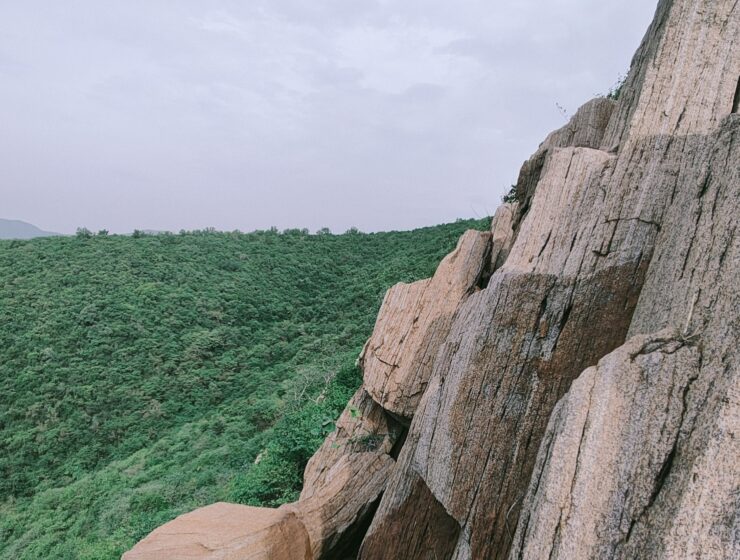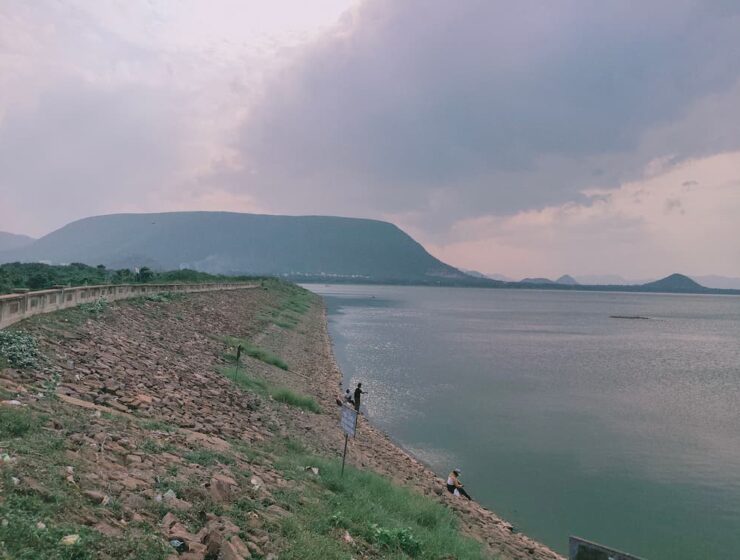


“The bottom line is, don’t take your surroundings with a pinch of salt. the foremost interesting photos are often found within the most mundane places.”
Street photography a way of capturing virsa:
Street photography, at its core, is candid photography of individuals’ publicly places. A street photographer captures a true, unedited moment. The genre is about both the photographer and their subject.
Street photographers share what interests them and what they’re feeling through their photographs.
However, the term “street photography” is inherently unclear and may cause people to think very specific thoughts about what the genre is, like black-and-white photographs of individuals walking down the road. there’s way more to street photography than that.
How to find interesting things for your street photography?
When it involves taking interesting photos, one of the foremost important stuff you can do is just to reduce and take a more in-depth examine your surroundings.
Whether you’re on a photography trip or simply going about your way of life, attempt to see the globe around you with fresh eyes and listen to the small print that usually goes unnoticed. This is often where the truly interesting shots are hiding. Of course, it isn’t always easy to try and do this.
That’s why it may be helpful to possess a little camera with you in the least time, so you’ll be able to quickly snap a photo of something that catches your eye. Phone cameras are great for this purpose.
The bottom line is, don’t take your surroundings with a pinch of salt. the foremost interesting photos are often found within the most mundane places.
Photography gives a vivid culture, and lifestyle of rural lives:

Photographs are essential in everyone’s life as they supply a connection to our past, culture, virsa and remind us of individuals, places, feelings and stories. they assist shape our identity and understanding of self.
Photography “speaks” to viewers on an emotional level. The facility of impact is often colossal.
Photography tells a story not only about one person but can expand the horizon to talk about a couple of cities, people, or countries. Photojournalists and also the media play a vital role in showing us what’s happening within the world.
How photography has evolved over the ages?
Did you recognize that photography, as we all know it today, began in the late 1830s in France?
Joseph Nicéphore Niépce used a transportable chamber to show a pewter plate coated with bitumen to light. This is often the primary recorded image that failed to fade quickly.
Photography soon became a source of data and communication. On one hand, it absolutely was used as a type of creative self-expression — something that also happens today — but it also quickly became a tool that documented all of life, the good, the bad, and therefore the ugly.
Photography is a tremendous sort that has changed the way we see and document the planet around us.
Photography portrays and teaches several things:
By taking the time to border a situation through our lens, we learn to determine the sweetness in everything — even the mundane, sad, or unexpected events of lifestyle.
Photography has the ability to alter someone’s views, shake up their ideals, educate them, and encourage them to require action.
They can also evoke natural species’ innermost emotions, like fear or anxiety. But it is not just personal lives that photographs can affect — they’ll even have an enormous impact on the planet around us.
How does photography show the difference between rural and concrete areas?
Street photography and concrete photography are often confused because they both involve photographing people in cities.
However, street photography is specifically candid photography of individuals, while urban photography may or might not be candid and also includes photographing things apart from people.
What makes a photograph look great?

Composition and lightweight are just two of the numerous important factors that get in making a good photo — but what are the others? I believe that there are five key elements that everyone great photo has in common.
If you’ll be able to confirm that every five of those are life, you’ll have a very perfect photo. Of course, even the most effective photographers rarely manage to induce all five workings perfectly together — it’s quite a rare occurrence.
5 elements that make great photos:
1 Composition
2 Light
3 Timing
4 The Story
5 Image
Processing A great photo doesn’t require all five elements to be maximized–a decent composition with great light and timing, as an example, can make a good photo.
Likewise, an impressive composition can structure the dearth of sunshine to some extent. In other words, you simply need to balance the five factors without dropping any completely.
If one among the factors is not up to the others, it will be compensated by one or more of the others if they score high. you may see it because of the sum of the five pillars, which provides a sign of how great a photograph is.
How does photography Plays the foremost Important Role In cultural fluctuation?

Photographs are important to everyone because they transport us back in time.
They work sort of a machine and may take us to different places, and different cultures or virsa, and remind us of individuals, places, feelings, and stories.
They’re like our own personal history books. Not only that, but the reproduction of art objects through photography has changed the visual culture of society and made art accessible to the final public, changing its perception, notion, knowledge of art, and appreciation of beauty.
Conclusion
When you take a look at an excellent photo, you’re drawn into the topic, the story, the virsa and therefore the emotions it evokes, you do not consider the technical details or so-called “metadata.”
Let’s take another example the opening shot of the “condor landing” at sunset.
The lighting here is exquisite, the composition is robust, and also the timing is ideal. The way the foreground and background are layered puts this unusual person into context within its stunning natural habitat. All of those elements are close to making an impactful and winning photograph.